

More than 500 million people worldwide suffer from food allergies. More than 300 million, or about 5% of the global population, now suffer from asthma (Chang 2011). Allergic rhinitis, a risk factor for asthma, affects up to 30% of adults and 40% of children (Wallace 2008).

Aging humans tend to develop some degree of decline in brain (cognitive) function, and research shows this deterioration can occur as early as mid-20s. Symptoms can include:
- forgetfulness
- decreased ability to maintain focus
- decreased problem solving capacity
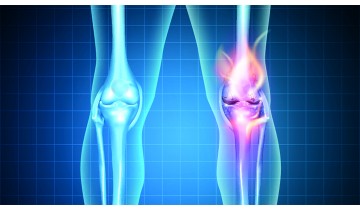
Gout is a form of arthritis in which excess uric acid forms crystals in joints and other tissues causing painful inflammation. Gout attacks cause a characteristic painful inflammation of one or more joints of the extremities. An acute attack of gout, although brief and usually subsiding spontaneously, can be debilitating.

Osteoporosis, defined as a reduction of bone mass or bone density, was long viewed as a disease unique to aging women. Sadly, much of what conventional wisdom held true about osteoporosis turns out to be flawed. It is now clear that osteoporosis is not a disease with a singular cause affecting a specific population.

Reflux, or Gastroesophageal reflux disease (GERD), is a chronic condition in which contents of the stomach flow back (`reflux`) into the esophagus potentially causing symptoms (e.g., heartburn) and injury to esophageal tissue. GERD is one of the most common health conditions of the gastrointestinal tract.

Sinusitis is inflammation of the sinuses, which are small air-filled cavities within the bones of the face surrounding the nose. Sinusitis symptoms include congestion, mucus discharge, and facial pain.

Although the human body is relatively adept at managing acute physical and/ or psychological stressors, chronic psychological stress can produce a variety of adverse effects.

Social Login