

High blood pressure is a silent epidemic that threatens the lives of one in every three adults. Of those taking blood pressure medications, control rates vary between less than half to only two-thirds. This means that the majority of those diagnosed with hypertension spend most of their day with blood pressure levels that are dangerously elevated.

Age, stress, and poor nutrition can sap our immune system of its effectiveness. Influenza provides one example; during young adulthood, when the body can mount a robust immune response to this common virus, influenza is rarely fatal. Among the elderly, however, the virus is associated with significant rates of death and hospitalization.

Insomnia is the most common sleep disorder, affecting one in four people. It is well-known that sleep problems can significantly diminish quality of life. However, many people may not realize that insomnia and short sleep duration correlate with various health problems including cardiovascular disease, anxiety, and potentially cancer. Insomnia also increases mortality in adults (Chien 2010; Hublin 2011).

Irritable bowel syndrome (IBS) is a functional gastrointestinal disorder characterized by chronic abdominal pain, cramps, bloating, and altered bowel habits that may include diarrhea and/or constipation. As a functional disorder, it is not linked to tissue damage and is diagnosed by criteria related to key symptoms. Importantly, IBS should not be confused with inflammatory bowel disease (IBD), a broad term describing conditions characterized by chronic inflammation of the gastrointestinal tract.
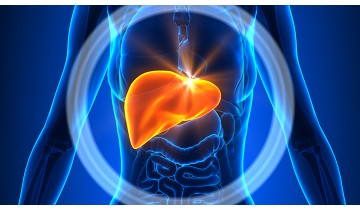
Approximately 10 – 35% of the population (depending on countries) suffers from non-alcoholic fatty liver disease or NAFLD. Many of its victims do not know they have it. NAFLD can go undetected for years and may eventually progress to inflammation and scarring of the liver (cirrhosis) and, in some cases, full-blown liver failure.
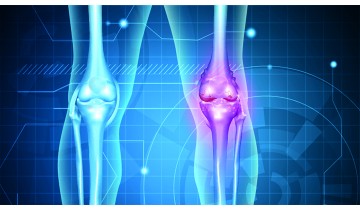
Osteoarthritis is a very common degenerative joint disease and a leading cause of disability. This progressive disease is characterized by structural damage and functional impairment within joints.

Osteoporosis, defined as a reduction of bone mass or bone density, was long viewed as a disease unique to aging women. Sadly, much of what conventional wisdom held true about osteoporosis turns out to be flawed. It is now clear that osteoporosis is not a disease with a singular cause affecting a specific population.

The sensation of pain arises in the nervous system. It has a variety of causes, but the experience of pain is variable and subjective. Pain can be acute or chronic. Acute pain is a protective mechanism that makes you aware of an injury. In contrast to acute pain, chronic pain is persistent and can last for months or years.

Millions of women, at some point in their lives, experience troublesome physical, emotional, and cognitive symptoms during the two weeks leading up to menstruation. When these symptoms interfere with day-to-day life, this is called premenstrual syndrome or PMS.

Reflux, or Gastroesophageal reflux disease (GERD), is a chronic condition in which contents of the stomach flow back (`reflux`) into the esophagus potentially causing symptoms (e.g., heartburn) and injury to esophageal tissue. GERD is one of the most common health conditions of the gastrointestinal tract.

Social Login