
Is your skin losing its once youthful appearance? Have you noticed deeper and deeper wrinkles and more and more dark colored age-spots? We actually find this interesting.
Despite the cosmetic industry’s promises of youthful skin, aging men and women seem to be spending more money on serums and creams, yet remain unsatisfied with the results.

It’s no coincidence that our name is Life Extension. Our sole purpose is to find ways to extend the healthy, human life span. And if you haven’t noticed yet, it really is our passion.
Of course, eating healthy and exercising are top priorities for any anti-aging program, but we think there’s more to the story than that.
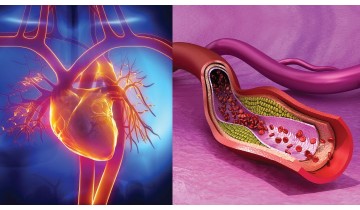
Most people are aware that a buildup of plaque in coronary arteries leads to heart disease, the cause of more American deaths than any other ailment.
But few know that not all arterial plaque is the same. There is hard (calcified) plaque and soft (noncalcified) plaque.

Osteoarthritis is a joint disease caused by trauma, obesity, or most often a consequence of normal aging.
The most affected area in osteoarthritis is joint cartilage.
Cartilage consists of smooth tissue that covers the ends of bones in joints such as the knee, hip, and wrist. When cartilage is properly functioning, your bones effortlessly glide over each other with each movement. Cartilage also helps your joints absorb the impact of movement.

One of the most common ailments that limit individuals in their work, physical activity, and leisurely hobbies is arthritis.1
According to the CDC, in the U.S. there are about 52.5 million adults who’ve been diagnosed with arthritis, and 22.7 million who report limitations as a result.
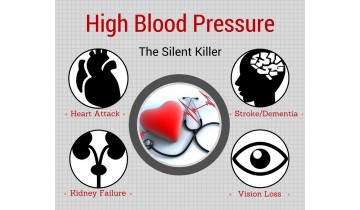
According to the Singapore National Survey, about 1 in 4 Singapore residents aged 30 to 69 years have high blood pressure. For those aged 60 to 69, more than 1 in 2 persons have high blood pressure. This condition has been labelled the ‘silent killer’ because it may not give rise to any symptoms even when it is severe.

The medical community does not yet understand the life-sustaining properties of magnesium.
In today’s world of high drug prices, it’s hard for physicians to conceive how an inexpensive mineral can provide such diverse health benefits.
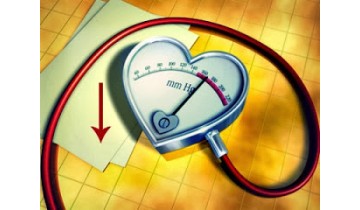
High blood pressure is a silent epidemic that threatens the lives of one in every three American adults. That’s not exactly encouraging.
For those who take blood pressure medications, actual control rates vary between less than half to only two-thirds. And the effects are even worse in the elderly.1,2
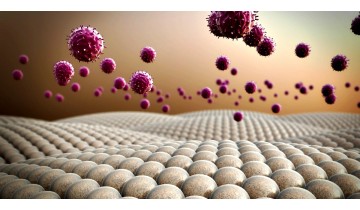
We’ve all been there — sitting in a small, confined space and the person next to us is coughing, sneezing, or blowing their nose. Next thing you know, you’re sick and missing out on school, work, and plans.
Now many people would just drink some orange juice or take some extra vitamin C when they got home from the situation above. Some may even throw in some extra zinc, herbal tea, and a few cough drops. But is this the best strategy?
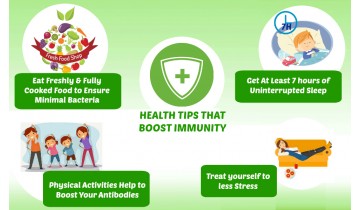
Many people only wonder what they can do to boost their immune system after they are down with fever, cold and our worst nightmare, cancer. Our immune system is amazingly complex. It is a network of cells, tissues and organs that work together to defend the host against attacks by foreign invaders. Having a little knowledge about the immune system will stimulate your interest into taking care of your own well-being in the long term. I will keep it short and interesting, so read on!
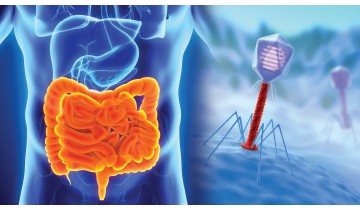
Probiotics are emerging as enormously popular health supplements.
When one ingests a probiotic, they add bacteria to their digestive tract that produce benefits ranging from alleviating intestinal distress to strengthening immunity.

We’re pretty used to hearing that CoQ10 is good for the heart, but little emphasis has been made to date on its kidney-protective effects.
Why should you care? Because the number of Americans that are affected by chronic kidney disease is growing.

Social Login