
Bio-Enhanced TURMERIC Compounds Block Multiple Inflammatory
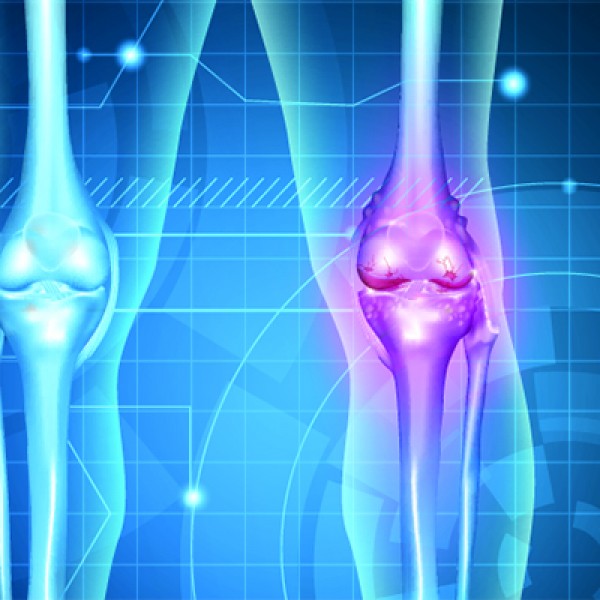
Millions of Americans suffer from chronic pain caused by inflammation, while millions more suffer diseases caused by chronic inflammation such as cancer and atherosclerosis.1,2
Prescription options—non-steroidal anti-inflammatory drugs (NSAIDs) and glucocorticoids—target only part of the overall chronic inflammatory response. Worse, they have substantial side effects and are not meant for long-term use.3,4
After combing through scores of nutrients, scientists have identified three compounds: curcumin, ginger, and turmeric oil that inhibit multiple underlying factors behind inflammation—safely reducing both chronic pain and long-term disease risk.
Numerous studies have confirmed that—by targeting the inflammatory origins—these natural extracts reduce the symptoms, risk profiles, and mediating factors of arthritis,5-12 cardiovascular disease,5,13-17 cancer,18-22 and other diseases…and some of these effects are observable in a matter of weeks!9,16,18,23
Even more exciting, scientists have discovered a novel way to deliver more of these three extracts to your bloodstream—almost seven times as much!24-27 These groundbreaking discoveries enhance the ability of these compounds to block the origins of chronic inflammation.
An All-Out Assault On Chronic Inflammation
When levels of certain cellular enzymes are increased, the result is chronic inflammation created by a complex “domino effect” of signaling molecules known as prostaglandins and leukotrienes.28-30 As scientists now know, the more inflammation, particularly chronic inflammation, you have, the more rapidly your body ages.1
In fact, we know that almost all chronic diseases—from arthritis, to heart disease, to diabetes, to Alzheimer’s disease—have one thing in common: destructive, unchecked inflammation.31
Doctors have long known of individual compounds that can inhibit one of the steps involved in chronic inflammation, producing some anti-inflammatory response. For example, NSAIDs inhibit the production of prostaglandin signaling molecules by blocking enzymes known as COX-1 and COX-2. But they are not well characterized in terms of their ability to inhibit production of leukotriene signaling molecules, which requires blocking the LOX enzyme.32
Researchers sought natural compounds that could inhibit the multiple steps behind prostaglandin and leukotriene production to deliver broad-spectrum protection against chronic inflammation.
Unlike current medications, turmeric oil, ginger oil, and curcumin work through multiple mechanisms to block multiple pathways of the inflammation-signaling process.5,32-40
It makes sense that these extracts have similar anti-inflammatory effects—they belong to the same plant family, known as Zingiberaceae.41
Turmeric Root Compounds
Curcumin is packed with potent chemicals, collectively known as curcuminoids.42
Turmeric oil – the liquid produced during curcumin extraction43,44 – is rich in compounds known as aromatic turmerones.
Ginger Root Compounds

Ginger oil contains gingerols, shogaols, and sesquiterpenes, which are powerful anti-inflammatory active compounds.45
To illustrate a key element of their dramatically broader effectiveness against inflammation, these natural ingredients deliver a potent benefit that no currently available drug can—they block both COX and LOX enzymes, which in turn inhibits synthesis of both prostaglandin and leukotriene signaling molecules!32-40
This is of vital importance, because scientists have now discovered that agents that trigger dual inhibition of COX and LOX enzymes potentially provide “a better therapeutic profile” and produce almost no side effects compared to NSAIDs.32
Remarkably, when these three extracts are combined, they help prevent chronic inflammation by favorably modulating the activity of the following pathways. They:
- Inhibit COX-1 and COX-2 enzymes;33-35
- Inhibit LOX enzyme;36-38
- Inhibit inducible nitric oxide (iNOS);33,36-38
- Inhibit NF-kappaB;34,37,46
- Inhibit degradation of IkappaB-alpha;46
- Exert potent antioxidant activity —scavenging superoxide and hydroxyl radicals and reducing lipid peroxidation, early steps in the inflammation cascade,5,37 and inhibiting transcription of cell surface receptors for oxidized LDL cholesterol;47
- Inhibit stimulated increase of prostaglandin E2 (PGE2).33
How these natural ingredients work at the cellular level may seem technical, but what you need to remember is that they are not synthetic drugs that are alien to your body’s systems. Instead, they work with your body’s own processes to help bring back natural function. Before we look at the many health benefits of these extracts, let’s learn how scientists have combined all three—in a novel formulation that also delivers a further potent advantage: it naturally enhances absorption.
Enhanced-Absorption Formula
Curcumin has long been known to have poor bioavailability, requiring high doses to achieve desired blood levels.48-59 A new formulation solves this problem in two ways:
Instead of using standard curcumin, this formulation utilizes a curcumin extract that provides better bioavailability than ever thought possible. This “ next generation curcumin” is far more readily absorbed. Its potency is the synergy between the standard extracted curcuminoids plus the added-back, original turmeric compounds that are often removed in commercial processing. These novel, lipid-soluble active compounds called turmerones have been shown in human research to enhance curcumin absorption.27 In fact, two studies showed that it increases curcumin absorption almost 7-fold over a standard curcumin supplement.25,26
The second way this formulation boosts absorption is by including a special kind of molecule called phospholipids. They act as emulsifiers—agents that help oil molecules mix with water—and have been shown to enhance absorption of various nutrients.60 A study confirmed that phospholipids boost curcumin absorption into intestinal cells.61
Let’s now examine some of the health benefits of curcumin, ginger, and turmeric that result from their ability to block the multiple pathways of deadly chronic inflammation.

Cancer
Cancer is the second leading cause of death in the United States,62 and according to the American Cancer Society,63one of every three women in the US risks developing some form of cancer over the course of their lives. For men, that number rises to one in two. And inflammation is a major trigger.64
When normal inflammation continues over time and becomes prolonged or chronic, it can cause a multitude of pathologies—including cancers.63 Your body has a natural ability to fight cancer through the activity of tumor-suppressing genes. The science of epigenetics now indicates that bothcurcumin and gingerol (a key compound in ginger) can—in addition to inhibiting inflammation and modulating cell signaling pathways—reawaken these tumor-suppressing genes, turning them back on to block cancer!65,66
Over two thousand published studies have evaluated the effects of curcumin on many cancers—such as those of the breast, prostate, liver, skin, colon, and lung cancer20,67—by interfering at every stage of the complex sequence of their development, progression, and spread.68 While anticancer drugs often weaken the immune system, curcumin modulates it,68,69-78 serving as an “immune-restorer.”70
In just one of many curcumin studies on animals, scientists grafted human prostate-cancer cells onto special mice that subsequently developed tumors.79 The mice were fed curcumin or placebo five days weekly for four weeks. Afterward, curcumin-fed mice were divided into three groups: one continuing to receive curcumin alone, a second receiving curcumin plus the cancer chemotherapy drug, gemcitabine, and the third receiving curcumin plus radiation treatment.79
Curcumin inhibited cancer growth and enhanced antitumor effects of the drug and radiation. And in an exciting breakthrough, researchers traced these results to a newly discovered mechanism! They found that curcumin reduces expression of a molecule called MDM2—a gene that promotes cancer development, survival, and growth. This mechanism “may be essential for its chemopreventive and chemotherapeutic effects.”79
Ginger research on animals included a study in which scientists orally fed whole ginger extract to mice with prostate cancer. Ginger inhibited tumor growth and progression by 56%, with no detectable toxicity.80 In another study, the active ginger compound 6-gingerol suppressed growth of colorectal cancer cells and tumors in mice by inhibiting synthesis of the signaling molecule leukotriene A4.81

When turmeric oil was combined with curcumin in a novel complex, it enhanced bioavailability and completely abolished tumor formation in a mouse model of inflammation-associated colon carcinogenesis.82
These studies demonstrate that the three natural ingredients effectively block multiple pathways of cancer in animals. The real challenge, however, was whether these same plant extracts would be as effective in humans.
Curcumin was given to five patients with Crohn’s disease; an inflammatory condition associated with increased colorectal cancer risk.83 In all but one patient, both disease activity scores and sedimentation rates—a measure of inflammation—improved.84
In familial adenomatous polyposis (FAP), hundreds of colonic polyps form, some of which progress to colorectal cancer. Scientists gave five patients with familial adenomatous polyposis 480 milligrams of curcumin plus 20 milligrams of quercetin three times daily for an average of six months. There was an average 51% decrease in the size of the polyps, and 60% decrease in the number of polyps.85 There was no noticeable toxicity.
Curcumin combined with either soy isoflavones or placebo was given to 85 men and those with high levels of prostate-specific antigen (PSA) were assessed separately. High PSA reflects inflammation and potential prostate cancer risk. After six months, PSA levels were significantly suppressed in the curcumin-isoflavones group.86
Ginger extract was given to one group of healthy volunteers in dosages of 2 grams daily, while others took placebo. On day 28, a colonic biopsy was taken on all participants. There was substantial reduction in average colonic mucosal levels of the inflammation signaling molecule prostaglandin E2 in the ginger subjects. They also had decreased average levels of an intermediate compound called 5-HETE, which is a potent survival factor that certain cancers use to escape destruction.18,125
Turmeric oil in dosages of 600 milligrams, mixed with 3 grams of turmeric extract, was given daily to patients with aggressive premalignant mouth lesions (oral submucous fibrosis), in a pilot study. Subjects showed a substantial decrease in the number of damaged, premalignant cells in both the mucous-membrane mouth lining and in circulating lymphocytes.19

Cardiovascular Disease
Inflammation plays a key role in the development of cardiovascular disease, which is responsible for almost one-in-four American deaths every year.87
Curcumin given to animals on a high-cholesterol diet decreased their total serum cholesterol 21% and their harmful low-density lipoprotein (LDL) by almost 43%, but increased their beneficial high-density lipoprotein (HDL) by 50%!15 Its lipid modulating effects have not been shown to work this well in humans.88
Ginger extract given to diabetic rats, significantly suppressed—in just seven weeks—cholesterol and triglycerides, high levels of which contribute to cardiovascular disease.16 It also significantly lowered blood sugar levels. In another study, ginger extract injected intravenously into rats was shown to significantly lower blood pressure and in a dose-dependent fashion.17
Stents that slowly release turmeric oil were implanted in dogs with blocked arteries. Scientists found that this turmeric-laced stent inhibited the infiltration of dangerous inflammatory cells. It also reduced various factors that often cause new arterial blockages to occur (restenosis).89
After these compelling findings, scientists turned their attention to human trials.
Given to clinical trial volunteers in dosages of 500 milligrams daily, curcumin showed a remarkable 29% increase in HDL cholesterol levels after just seven days.88 Even a one percent increase in this “good” form of cholesterol can reduce heart disease risk—so this finding is important.90
Ginger was shown to enhance efficacy of the antihypertensive drug nifedipine (Procardia®) in human subjects. Combining one gram of ginger with 10 milligrams of the drug daily significantly boosted the anti-platelet aggregation effect in both normal and hypertensive persons.13 This is the tendency of blood cells to clump together, potentially producing a dangerous clot and pathological cardiovascular and cerebrovascular complications.

Arthritis
People over age 65 make up 65% of all American arthritis patients.91 The hallmarks of the most common form of this joint disease, osteoarthritis, are inflammation and cartilage destruction.92 Fortunately, while both ginger and curcumin block inflammation— curcumin also inhibits cartilage breakdown by the body!93 It does this by protecting the cells found in cartilage called chondrocytes from the inflammatory compounds (IL-1beta and MMP-3) that break them down in arthritis, as well as via other pathways.93
Curcumin strongly blocked rheumatoid arthritis symptoms in animal studies by inhibiting joint inflammation as effectively as methotrexate,6 a drug with serious and sometimes fatal side effects.94 Curcumin improved arthritis scores in mice7 and suppressed osteoarthritis inflammation in dogs.95
Ginger extract blocked inflammatory mediators in a cell culture study—notably the signaling molecule prostaglandin E2—and reduced inflammatory swelling (edema). Researchers described the results as, “a potent suppressive effect on acute and chronic inflammation.”11
Clinical trials have now confirmed these results in humans.
Curcumin in doses of 500 milligrams daily was given to one group of rheumatoid arthritis patients. The NSAID drug diclofenac in doses of 50 milligrams daily was given to a second group. And a combination of the two was given to a third group. The group receiving curcumin-only had the greatest reduction in joint pain and swelling, with no adverse effects. By contrast, nearly 14% of participants in the drug-only group dropped out due to adverse effects!8
Ginger or placebo was given to 29 patients with symptomatic knee arthritis in dosages of four daily capsules of 250 milligrams each. After three months, those taking placebo switched to ginger and those taking ginger switched to placebo, and then the study continued for an additional three months. After a total of six months, the patients experienced significantly less pain and handicap during their ginger-supplemented months than during their placebo months—and reported improvements on a standardized scale used to assess mobility.12
Also, ginger extract given to osteoarthritis patients in doses of 340 milligrams daily for 4 weeks proved equally as effective as 100 milligrams of the drug diclofenac.9 However, the drug group experienced an increase in digestive pain (dyspepsia) and degeneration of their stomach mucosa.9
Diabetes
Among Americans 65 or over, 26.9% have diabetes.96 Diabetics are at risk for pain associated with nerve damage (neuropathic pain),97 accelerated brain aging and cognitive decline (diabetic encephalopathy)98,99 and, of course, high blood sugar. However, the powerful plant extracts we’ve been discussing have the potential to prevent or reverse many of these complications.
Curcumin successfully attenuated experimentally-induced neuropathic pain response—recognized as one of the most difficult types of pain to treat—to mild stimuli (hyperalgesia) in diabetic rats.100 This powerful action is likely due to curcumin’s ability to reduce inflammation signaling molecules called cytokines, reduce the activation of pain signaling molecules and receptors, and reduce the depressive effect of pain.101-107 Also, chronic curcumin treatment reversed much of the extreme inflammation and oxidation damage in the brains of diabetic rats and substantially boosted their performance on memory and cognition tasks.99
Ginger extract was given to diabetic rats, and after just seven weeks, their fasting glucose levels —the blood sugar reading between meals — were significantly reduced.16 The researchers suggested that “ginger may be of great value in managing the effects of diabetic complications of diabetes in human subjects.”16
Dementia
Memory and cognitive decline often starts about age 50, and by age 80, it is estimated nearly half of all individuals will have some form of cognitive change or dementia.108 As you’ll see, curcumin and ginger offer great promise to stave off this tragedy.
Curcumin administered in animal models of Alzheimer’s has been shown to enhance clearance of amyloid-beta from the brain. This is a malformed protein, the accumulation of which is strongly associated with Alzheimer’s. Curcumin crosses the blood-brain barrier and appears to directly bind to the plaque!109
Scientists fed ginger extract to rats for two weeks before they blocked (occluded) an artery in the brain, and for three weeks afterward. Cognitive testing was done at the end of each of the three weeks following arterial blockage. Researchers found that the ginger extract significantly increased cognitive function and neuron density (in the brain area known as the hippocampus) while significantly decreasing the area of damaged brain tissue—or brain infarct.110
A study team incubated curcumin with macrophages (immune cells) taken from human Alzheimer’s patients. These macrophages are immune cells that normally identify, engulf, and destroy amyloid-beta, but in Alzheimer’s patients these macrophages failed to handle this function.111 In the laboratory, after being treated with curcumin, macrophages from half of the patients significantly increased the amount of amyloid-beta they were able to absorb (uptake).112 These data demonstrate that curcumin may be able to defend against—and even reverse—the Alzheimer’s disease process.
Ginger was tested in a study of 60 healthy middle-aged women who were given 400 or 800 milligrams of the extract, or placebo, daily for two months. Their working memory and cognition were tested before supplementation and after one and two months. The ginger participants showed significantly enhanced working memory, and brain activity consistent with boosted cognitive capability. This suggests that ginger may defend against, and reverse middle-aged cognitive function.113
Turmeric oil was found to exhibit powerful and broad antioxidant activity,5 and data suggest it may suppress neuroinflammation in neurodegenerative diseases, including Alzheimer’s.46,114
Summary
Even when pain is not initially apparent, chronic inflammation can eventually lead to serious diseases such as cancer.1,2
Drugs that target acute inflammation are often not suitable for long-term use, and may involve substantial side effects.3,4
In a significant breakthrough, three natural ingredients have been identified that powerfully block the signaling molecules that trigger chronic inflammation.5,32-40
Ginger , curcumin, and turmeric oil block inflammation at multiple points of the process, safely minimizing long-term disease risk.5,32-40
Multiple studies demonstrate that these three extracts combat an array of disorders, including cancer, cardiovascular disease, and arthritis.5-22
These three extracts have been combined in a groundbreaking formulation that greatly boosts absorption!25,27,60,61
Article extracted from Life Extension Magazine February 2014

Social Login