
Probiotics Provide Anti Aging Defense
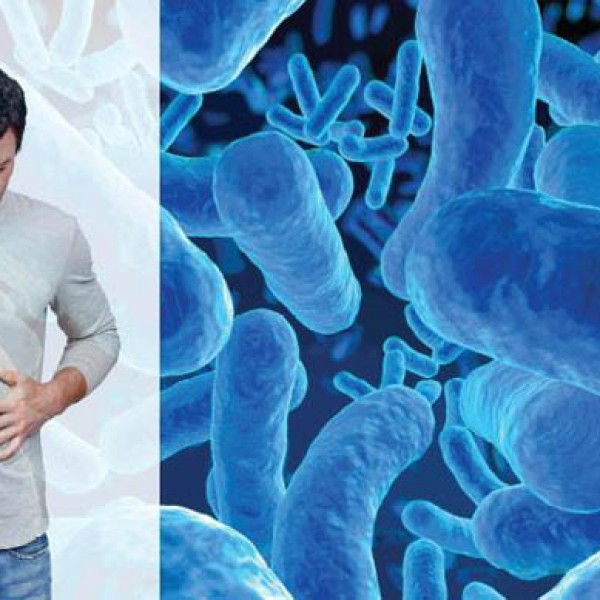
Scientists report that the strength of your immune system—at least 70% of which is located in your gut—relies on the makeup of your intestinal bacteria.1,2
Put differently, the estimated 100 trillion bacteria living in your gut are the human equivalent of an environmental ecosystem. And like global ecosystems, our personal microbe population is losing its diversity—and threatening our health as a result.3
Scientists have discovered that disruption of the balance between good and bad bacteria in the gut contributes to the development of chronic conditions such as autoimmune disorders, metabolic syndrome, diabetes, chronic fatigue syndrome, nonalcoholic fatty liver disease, obesity, and more.4-13
An innovative combination of six critical probiotic strains has been found to rebalance gut flora—powerfully fighting off many of the factors leading to chronic disease.
This combination can be obtained in a dual-encapsulation format that better enables healthy intestinal colonization by protecting the beneficial bacteria from stomach acids that would otherwise destroy them.
Minor Factors Trigger Massive, Long-Term Effects
The delicate balance between beneficial and bad gut bacteria can be disrupted by innumerable factors,14-27 including the use of antibiotics,14-16 excessive hygiene,15 the Western diet,15-19 modern medical treatments,18 and obesity.20-22
As you age, your bacterial population gradually shifts towards a disease-promoting, rather than a disease-preventing state—simply as a result of aging itself!23-27
Variation in your body’s bacterial makeup has been connected to effects as far-reaching as your individual response to toxins, your metabolic state and degree of insulin resistance, and even your brain development and behavior.3,14,28
If it seems shocking that such microscopic life forms could control so much of your health destiny, keep in mind their sheer numbers. Your microbes outnumber your body cells by 10 to one,29,30 and their genes outnumber your own genes by 100 to one.30
In fact, your gut is so jam-packed with bacteria that half of your stool is not leftover food—it’s microbial biomass. And as fast as they’re excreted, these microbes multiply to replenish their numbers.3
How Probiotics Impact The Entire Body
So why is it that rebalancing the bacteria in your gut affects areas of the body outside of the intestines? The answer lies in the fact that the intestinal tract contains more chemical detection and signaling molecules than any other organ—and those molecules affect many aspects of health.31
Intestinal bacteria produce proteins that have powerful influences on these chemical detectors.32 Over time, an imbalance in the ratio of good-to-bad bacteria activates these many detectors in negative ways that can trigger the development of a host of diseases in many areas of the body—not just those associated with the gut.
Fortunately, probiotic supplements can restore a healthy balance to gut bacteria and reverse these disruptions to intestine-based signaling mechanisms. This, in turn, reverses the negative influence that triggers the development of chronic disease.33
In other words, probiotics can restore your body’s natural, intestine-based protection against a host of non-intestinal diseases and shield you from the diseases of aging.4-7,11,18,20
Targeted Probiotics
With advancing technology, scientists have been able to select specific strains of organisms to accomplish precise tasks.34 Evidence now shows that individual species of probiotics within the Lactobacillus genus or the Bifidobacterium genus can powerfully block a variety of pathological factors that lead to different chronic diseases.35
Here are some specific health benefits attributed to each beneficial bacteria species:
- Lactobacillus acidophilus has been shown to decrease the DNA damage that triggers malignant cell development,36
- Lactobacillus rhamnosus improved markers of metabolic syndrome,37-39
- Lactobacillus paracasei reduced markers of inflammation,40
- Bifidobacterium lactis improved blood sugar control,41
- Bifidobacterium bifidum decreased liver damage,37 and
- Bifidobacterium longum reduced DNA damage that can trigger malignant cell development.42
Experimental models and randomized, controlled human intervention studies have confirmed that taking a probiotic supplement to restore the diverse balance of gut bacteria restores natural protection against multiple diseases.43
Probiotics Strengthen And Modulate Your Immune System
In recent years the enormous importance of the gut bacteria in modulating the immune system has been increasingly recognized. Not only does more than 70% of the human immune system reside in the gut, but the intestinal immune system comprises more antibody-producing cells than the rest of the body put together.44 As a result, gastrointestinal secretions are as rich as breast milk in health-supporting and disease-preventing factors.45
A poorly functioning immune system is at the root of many chronic degenerative diseases. Too little response makes us vulnerable to the infections that claim the lives of so many older adults. However, inappropriate overactivation can produce chronic inflammation—contributing to a litany of age-related disorders such as diabetes, cancer, and metabolic syndrome.
Using probiotics to help restore the balance of your gut microbiome can strengthen its ability to interact with your immune system in many ways.46 These friendly bacteria stimulate healthy immune surveillance, boosting populations of cells that seek out and destroy infecting organisms and cancers.47-49 They upregulate inflammatory cytokines during the acute stage of an infection or other threat to your body’s integrity—even cancer, as we’ll examine next—but they also contribute to suppression of the inflammatory response as the threat fades.48,50
WHAT YOU NEED TO KNOW
 |
Probiotics Protect Against Chronic Disease
- Your personal microbial ecosystem may be abundant—providing a home for an estimated 100 trillion bacteria—but it’s losing its diversity, which in turn threatens your health.
- Gut microbiota become unbalanced by an assortment of common factors—gestation duration, Caesarian births, baby formula, antibiotics, excessive hygiene, the Western diet, modern medical treatments, obesity—and even aging itself.
- An increase in the distorted microbial population in the modern human gut correlates with a rise in diseases linked to this imbalance. These include type II diabetes, cancer, Crohn’s disease, ulcerative colitis, celiac disease, nonalcoholic fatty liver disease, gastroenteritis, rheumatoid arthritis, asthma, and allergies.
- It’s difficult to control the factors disrupting your microbial balance, but a range of beneficial, acid-resistant probiotic strains can work together to rebalance your gut. A novel dual-encapsulation format is available that protects them from stomach acids that would otherwise destroy them.
Reducing Cancer With Probiotics
The risk of cancer, especially in the colon, can be reduced through the use of probiotics.51
One good reason for this is that supplementation with Lactobacillus acidophilus andBifidobacterium longum significantly decreases the DNA damage that can trigger malignant cell development.36 In addition, replenishing beneficial bacteria with supplements has been found to boost natural antioxidant and detoxification enzymes that prevent the activation of potential dietary carcinogens.51-53
In one study, when patients with colon cancer and/or with precancerous polyps supplemented with probiotic bacteria, they experienced sharply reduced proliferation of abnormal colon cells and a significant decline in harmful Clostridium bacteria. (In this study, the probiotic was combined with prebiotics, which are substances that feed or promote the accompanying bacteria).54
In addition, scientists have demonstrated that probiotic organisms turn on a number of protective signaling mechanisms that play a role in preventing cancer. For instance, probiotics have been documented to:
- Boost populations of immune cells that seek out and destroy cancers,47-49
- Upregulate inflammatory cytokines during an acute stage of cancer or other threats,48,50
- Suppress the inflammatory response that could cause tissue or organ damage,48,50
- Suppress bacteria that convert harmless pro-carcinogen molecules into carcinogens,48,53
- Bind to potential carcinogens, promoting their excretion,53
- Downregulate an enzyme that converts harmless molecules into carcinogens,53 and
- Stimulate the expression of liver enzymes that detoxify carcinogens.53
WELL-RESEARCHED PROBIOTICS AND THEIR SPECIFIC ANTI-DISEASE BENEFITS
 |
Numerous factors can unbalance your gut microbiota. As an extreme example, remarkable findings released online by the journal Nature on February 16, 2015, suggest that, just as you can pass certain immune traits along to your children via your own DNA, you may also be passing along immune traits to your offspring via the bacteria in your body.86
Probiotics can rebalance the bacterial makeup of your gut. This in turn affects your immunity and your body’s risk of a spectrum of diseases. Scientists continue to add to the list of anti-disease effects attributable to probiotics.
As a broad group, probiotics are commonly associated with their capacity to help prevent or treat:
- Diarrhea (especially following treatment with certain antibiotics)
- Vaginal yeast infections and urinary tract infections
- Irritable bowel syndrome (IBS)
- Certain intestinal infections
- The severity and duration of colds and flu
Improving Diabetes And Metabolic Syndrome
Animal studies as well as human diabetes clinical trials have shown that both Lactobacillusand Bifidobacteria probiotics improve insulin resistance and lead to significant reductions in blood sugar concentrations.55-57
In a study published in Nutrition journal, patients with type II diabetes consumed a probiotic yogurt containing Lactobacillus acidophilus and Bifidobacterium lactis. After six weeks, they experienced significant improvements in fasting glucose and hemoglobin A1c (a measure of long-term blood sugar control). Total antioxidant status also increased.54
Reversing Obesity With Probiotics
Studies have shown that there is an association between the overuse of antibiotics and obesity. Research in both animals and humans showed that supplementing with probiotics led to a significant reduction in body weight and body mass index (BMI).17,58-65
In one study, probiotic supplements were given to mothers prenatally (from about four months before, and six months after, birth). As a result, excessive weight gain was subsequently reduced in the mothers—and in their children from birth right through to 10 years of age!66
Human and animal studies show that probiotics also attenuate nonalcoholic fatty liver disease (NAFLD) due to obesity and a high-fat diet.33,67-71
Enhanced Intestinal Health
Of course, despite the benefits probiotics provide throughout the body, most people still associate the use of probiotics with the improved intestinal health that results directly from higher levels of beneficial bacteria.72,73
Lactobacillus and Bifidobacteria have been shown to support intestinal function and improve both diarrhea and constipation.74-76 Probiotic supplements have helped improve the quality of life and symptoms of patients with functional bowel disorders such as irritable bowel syndrome (IBS) and ulcerative colitis, as well as those of generally healthy people.75,77-79
Helicobacter pylori is a common bacterium infecting about half of the world’s population.80It can cause a diverse spectrum of gastrointestinal disorders, including ulcers. However, due to antibiotic resistance and patient noncompliance, several studies have shown that there is a widespread failure of antibiotic therapy in treating Helicobacter pylori.81
A meta-analysis of 33 randomized, controlled trials found that several strains ofLactobacillus and one strain of Bifidobacterium—when added to antibiotic therapy—significantly increase H. pylori eradication rates.82
Additionally, probiotics promote the function of the intestinal inner lining, enhancing its ability to act as a barrier to the entry of potentially dangerous organisms and chemicals into the bloodstream.83-85
Maximizing The Impact Of Probiotics
As beneficial as probiotics are, they have to be able to reach your intestines in order to work—and that requires remaining intact as they pass through the harsh, acidic environment in the stomach. This can limit the number of the live microbes that reach their destination—and in turn, limit their beneficial effects.
Fortunately, a dual-encapsulation technology is available that overcomes this problem by providing a capsule-within-a-capsule. This keeps the capsule that contains the probiotic intact longer to ensure the bacteria reach the small intestine safely. As a result, the probiotic can deliver unprecedented numbers of live colonies to exactly where your body needs them to rebalance your microbiota for critical disease-prevention effects.
It is also important to obtain a variety of bacterial strains that have been shown to deliver comprehensive health benefits.
Experts have recommended supplementation with six potent, complementary, and acid-resistant probiotic strains:
- Lactobacillus acidophilus LA-14
- Lactobacillus rhamnosus LR-32
- Lactobacillus paracasei LPC-37
- Bifidobacterium lactis BL-04
- Bifidobacterium bifidum/lactis BB-02
- Bifidobacterium longum BL-05
A proprietary blend is available that combines all six of these strains with the dual-encapsulation technology that ensures they hit their mark—and powerfully support whole-body health.
THE POWERFUL ROLE OF PROBIOTICS IN CANCER PREVENTION
 |
As an example of the powerful effects of probiotics, have a look at their inhibitory effects against just one deadly disease: cancer. Scientists have demonstrated that probiotic organisms switch on your body’s protective signaling mechanisms to:
- Suppress bacteria that convert pro-carcinogen molecules into carcinogens,48,55
- Bind to potential carcinogens, promoting their excretion,55
- Decrease enzymes implicated in the development of carcinogens,55
- Boost populations of immune cells that play a role in tumor inhibition,48,87
- Upregulate immune cytokines to battle the early stage of cancer or other threats,48and
- Suppress the inflammatory response as the cancer or infection threat fades.48,88
Summary
Like the ecosystems around the globe, our personal internal microbe population is losing its diversity and represents a real threat to our long-term health.
From the womb to old age, our gut microbiota can become unbalanced by an array of common factors—gestation duration, Caesarian births, baby formula, antibiotics, excessive hygiene, the Western diet, modern medical treatments, and obesity. And finally, aginggradually shifts our bacterial makeup from a disease-preventing state towards a disease-promoting state!
An increase in diseases is now linked to the increasingly distorted microbial balance in the human gut (known as dysbiosis). These diseases include type II diabetes, cancer, Crohn’s disease, ulcerative colitis, celiac disease, nonalcoholic fatty liver disease, gastroenteritis, rheumatoid arthritis, asthma, and allergies.
Fortunately, a range of probiotic strains, when taken together, can rebalance our gut. And to make sure they reach their destination intact, a novel dual-encapsulation format—a capsule-within-a-capsule—protects them from stomach acids that might otherwise destroy them.
By Michael Downey
Article extracted from Life Extension Magazine October 2015
Scientific Journal References (PDF)

Social Login