
Which Foods are the Most Nutrient Dense?
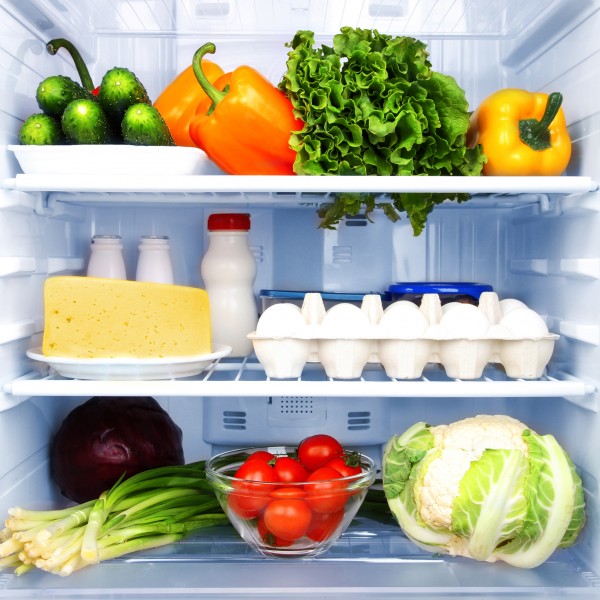
Nutrient dense foods can pack a seriously powerful health punch. And we’re not just talking about vitamins and minerals. These “super foods” are also loaded with antioxidants and other phytochemicals that are essential for optimal health and longevity.
Nutrition experts all agree that colorful plant foods contain a huge assortment of protective compounds, many of which have yet to be named. Only by eating an assortment of nutrient-rich, natural foods can we access these protective compounds to help prevent the common age-related diseases that afflict Americans.
Our modern, low-nutrient diet has helped create an overweight population prone to developing diseases rooted in nutritional deficiencies, and, as a result, our medical costs have spiraled out of control. However, if we were to begin embracing diets full of nutrient dense foods, we might just find the elusive answer to the current health care crisis.
But how do you identify foods that are dense with the right nutrients? Let’s take a look at the latest food scoring system to see if it provides any answers.
The ANDI Helps Identify Nutrient Dense Foods
ANDI stands for the Aggregate Nutrient Density Index. It’s a numerical measurement of how nutrient dense a food source is, including its vitamin, mineral, antioxidant, and phytochemical composition. The index was developed by Dr. Joel Fuhrman of Eat Right America.1
Dr. Fuhrman and Eat Right America promote the following nutritional habits:
- Plant-based diets
- Whole food-based diets (less processed flours, for example)
- Healthy fat diets (unsaturated, more from plants and less from animals)
- Nutrient dense diets (that’s where the ANDI comes in)
Eat Right America analyzes food sources for several different nutrients. Here’s a brief list of nutrients they look for when developing a food’s ANDI score:
- Calcium & Magnesium
- Carotenoids (beta carotene, alpha carotene, lutein & zeaxanthin)
- Lycopene
- Soluble & Insoluble Fiber
- B vitamins & Folate
- Iron
- Zinc & Selenium
- Vitamin C
- Vitamin E (including tocopherols and tocotrienols)
- ORAC score (antioxidant power)
According to Eat Right America, calculating ANDI scores for whole foods such as produce, grains, and legumes is relatively easy to do. However, it’s much more complicated to get accurate scores for packaged or processed foods. Regardless, it’s probably fair to say that processed foods would score pretty low as nutrient dense foods.
A food source can be given an ANDI score anywhere from 1 to 1,000, with higher numbers indicating more nutrient dense foods. However, following a diet that’s based solely on ANDI food probably isn’t a great idea. Here’s why: The ANDI doesn’t take things like fat content into account. If you were to eat exclusively ANDI foods with scores of 800–1000, you definitely wouldn’t get enough of the good fats into your body.
Dr. Fuhrman has stated, “Keep in mind that nutrient density scoring is not the only factor that determines good health. For example, if we only ate foods with a high nutrient density score our diet would be too low in fat. So we have to pick some foods with lower nutrient density scores (but preferably the ones with the healthier fats) to include in our high nutrient diet.”1
Organic Veggies Top the ANDI List
The following table1 was developed by Eat Right America. The green column contains the most nutrient dense foods, the yellow column foods rank second and the pale orange column are the foods in last place.
If you’re looking to maximize each and every calorie, the path is quite simple: eat food that’s in the green column primarily.
Also worth noting: The ANDI table is a great resource for people practicing calorie restriction diets.

Where Does Your Diet Fall on the ANDI Scale?
Please note: The exact formula used to calculate the ANDI score is protected by Eat Right America (patent pending). Additionally, information on whether the food source was cooked and how it was cooked was not available. Life Extension® does not indorse a particular group or food rating system. But it looks like the ANDI scoring system makes sense.
Although we don’t suggest eating an ANDI diet exclusively, most of us could certainly benefit from including more nutrient dense foods in our diets. Here at Life Extension, we have long supported what we call a “rainbow approach” to diet — eating all of the colors of the rainbow every day.
REFERENCES:
- http://www.eatrightamerica.com/andi-superfoods
Adapted from Life Extension blog Nov 2011.

Social Login